
"You Can't Ban Queer Joy" Poster + Social Media Campaign
GLAAD
Graphic Design
New York, NY, USA


In June 2023, amid the legislation of several extreme anti-LGBTQ+ laws across the country, GLAAD launched a campaign for Pride Month featuring a series of 30 posters reading, "You Can't Ban Queer Joy," one for each day of the month.
The posters were made available on GLAAD's website for at-home printing allowing members of the queer community anywhere in the world to post them in their community or bring to Pride events. Additionally, one poster per day was featured on GLAAD's social media channels.
The posters were designed to channel joy — but also to feel queer, positioning themselves against the corporate Pride aesthetic that dominates mainstream visual culture. They directly lean into queer cultural references and maximalism — evoking a sense of heightened “volume” to their representation of queerness.
Project Lead: Dustin Hood
The posters were made available on GLAAD's website for at-home printing allowing members of the queer community anywhere in the world to post them in their community or bring to Pride events. Additionally, one poster per day was featured on GLAAD's social media channels.
The posters were designed to channel joy — but also to feel queer, positioning themselves against the corporate Pride aesthetic that dominates mainstream visual culture. They directly lean into queer cultural references and maximalism — evoking a sense of heightened “volume” to their representation of queerness.
Project Lead: Dustin Hood
Process


Marsha P. Johnson, one of the most celebrated queer icons of all time, was known for her activism — particularly her role at Stonewall — and her ornate sense of style: crowns crafted from flowers, ribbons, and feathers, cascading pearls, boas, and an embrace of color and lavishness. Historical photographs of Marsha almost always feature her smiling; her image is synonymous with queer joy.
To channel her, I designed a top banner of text resembling a police barricade, nodding to her fearlessness in confronting authority, breaking down barriers, and fighting for her community — juxtaposed with a sinuous, multicolored typeface similar in its contours and colors to the flowers, feathers, ribbons she was known for wearing.
To channel her, I designed a top banner of text resembling a police barricade, nodding to her fearlessness in confronting authority, breaking down barriers, and fighting for her community — juxtaposed with a sinuous, multicolored typeface similar in its contours and colors to the flowers, feathers, ribbons she was known for wearing.

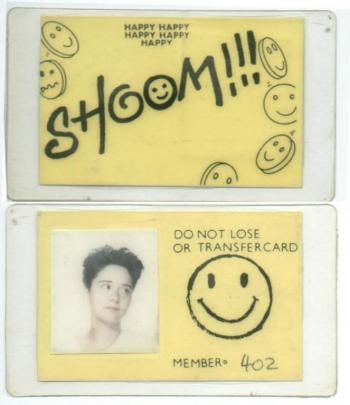

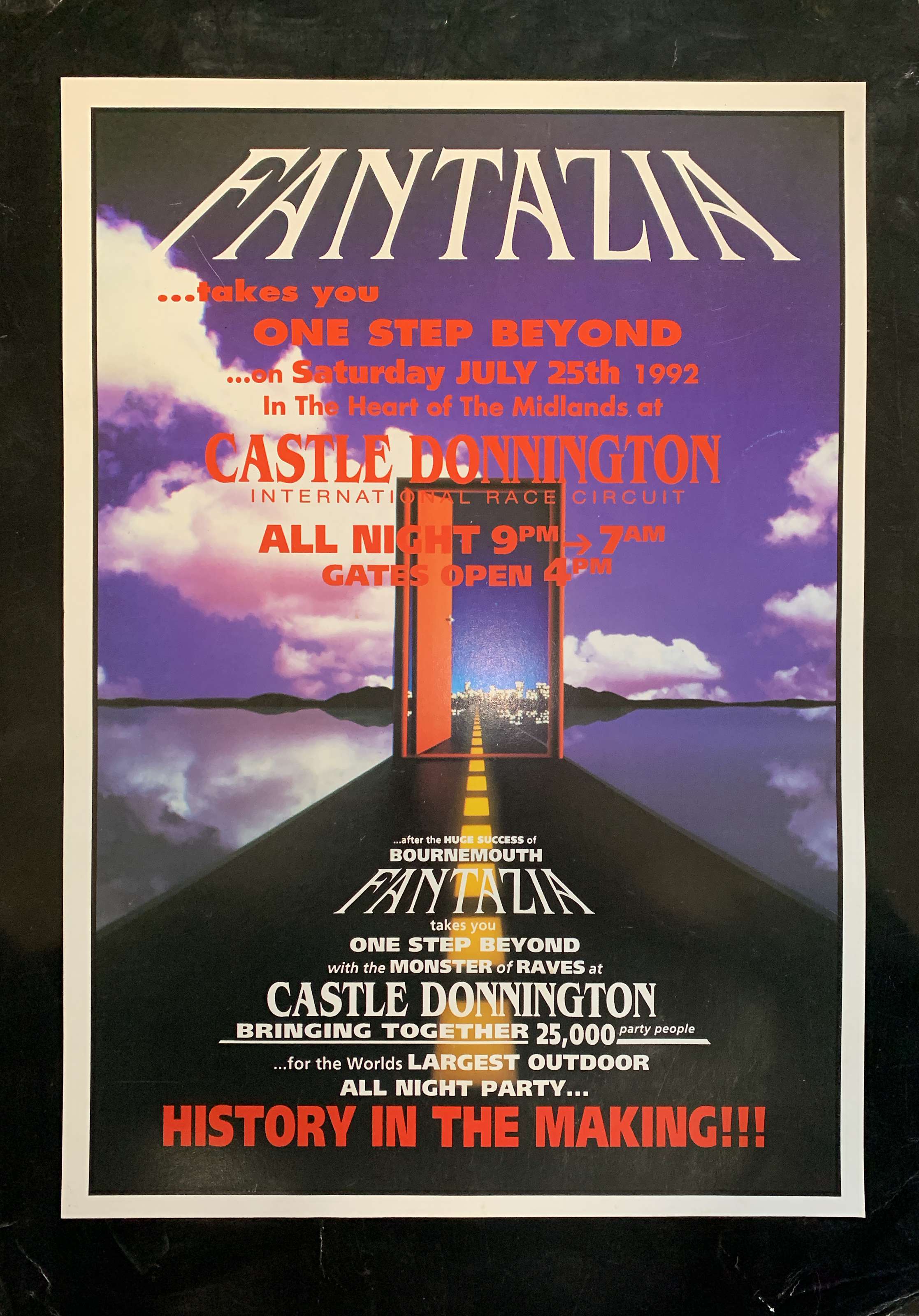

For this piece, I drew upon inspiration from 90s rave posters. Historically, rave culture distinguished itself through its intentional inclusivity, creating spaces where marginalized communities — particularly queer individuals — could gather freely. This ethos extended to the visual language of the movement, which embraced bold aesthetics centered on joy, freedom, and transcendence. Events like "Space" and "Fantazia" promised more than entertainment; they offered portals to alternate realities.
My design sought to capture the spirit of escape, dance, and euphoria. The vibrant blue sky background evokes the sensation of flight, the curves of the script suggest movement, and the iconic smiley face stickers sprinkle the composition with joy.
My design sought to capture the spirit of escape, dance, and euphoria. The vibrant blue sky background evokes the sensation of flight, the curves of the script suggest movement, and the iconic smiley face stickers sprinkle the composition with joy.

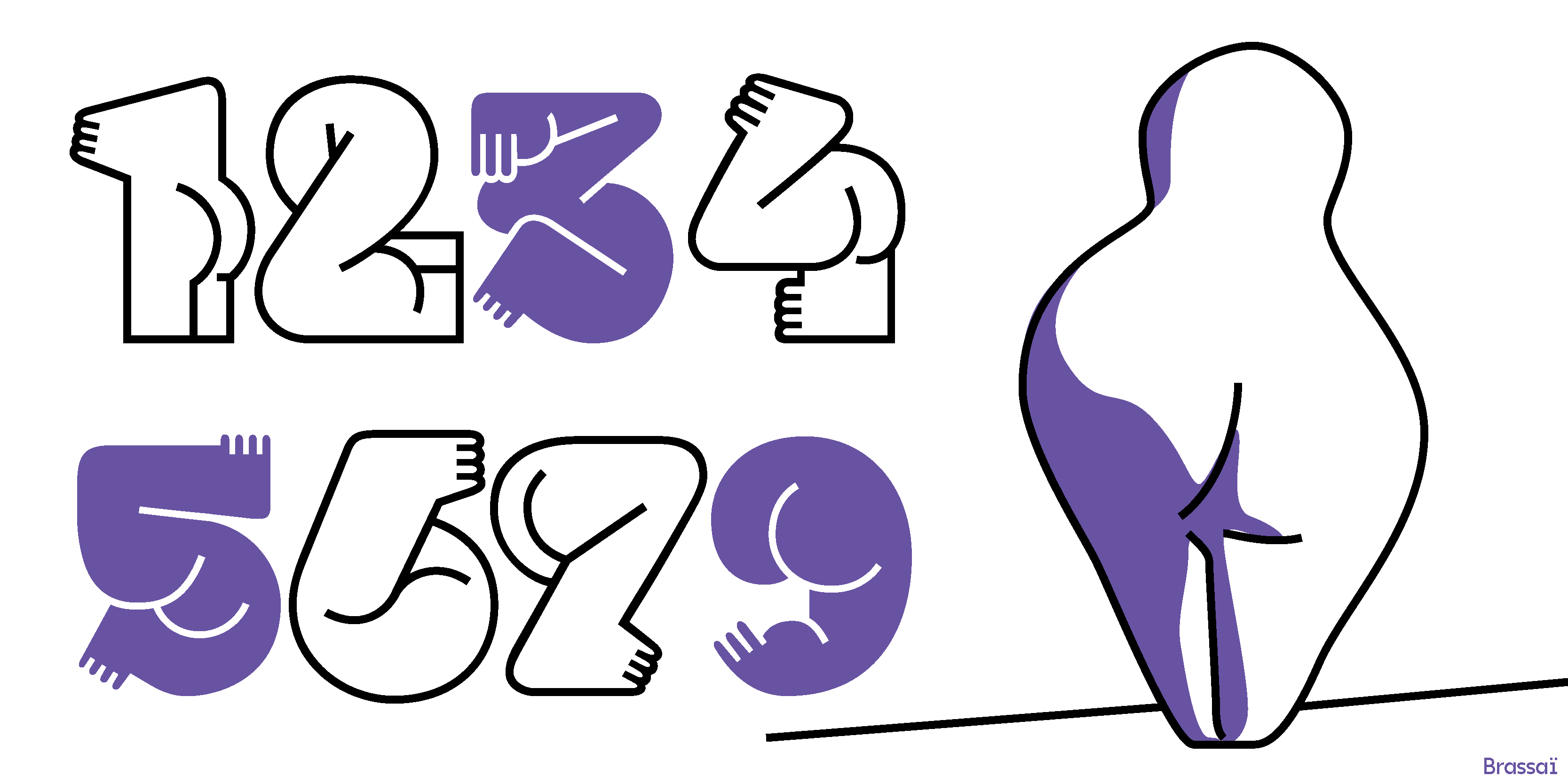
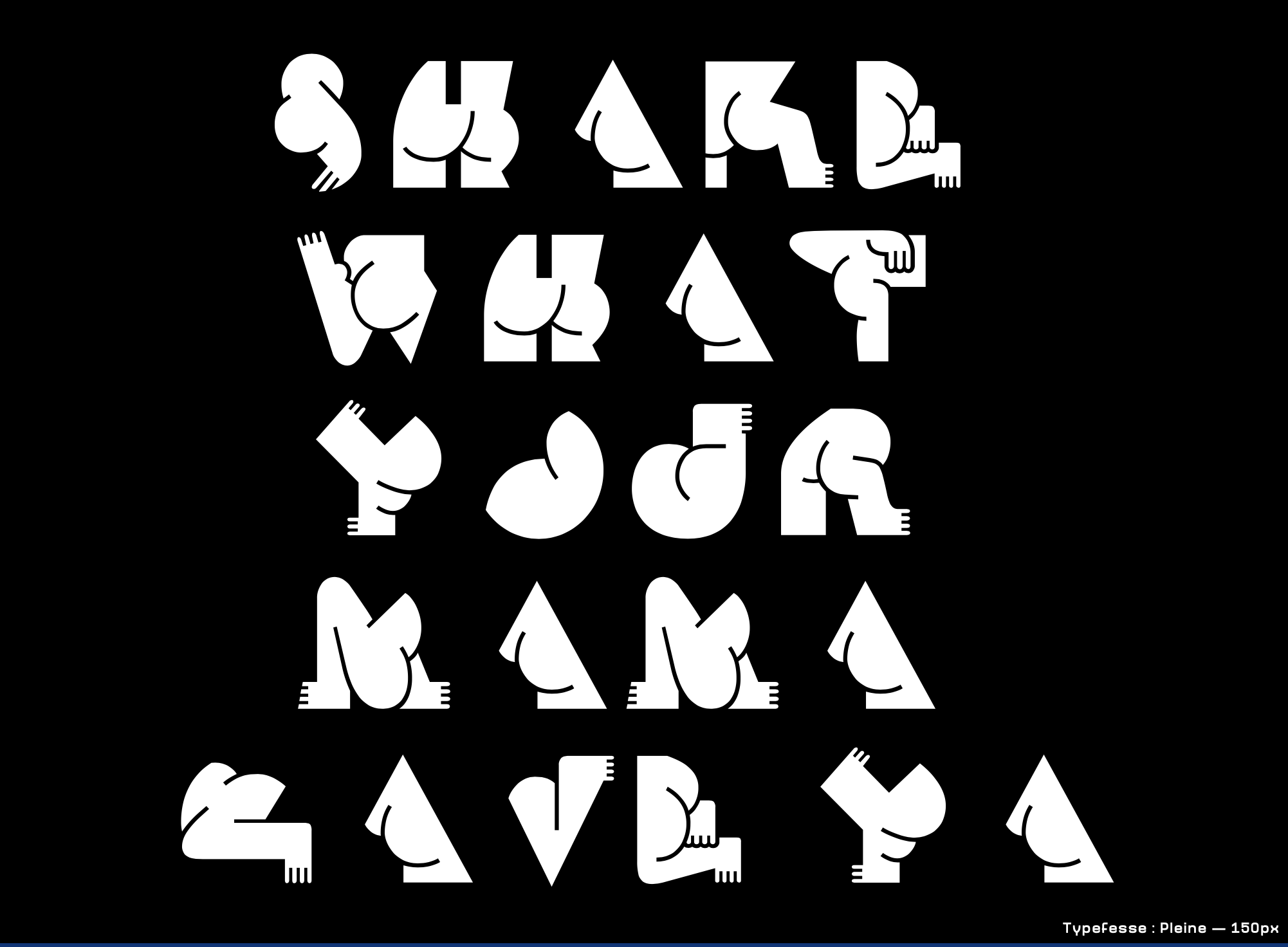
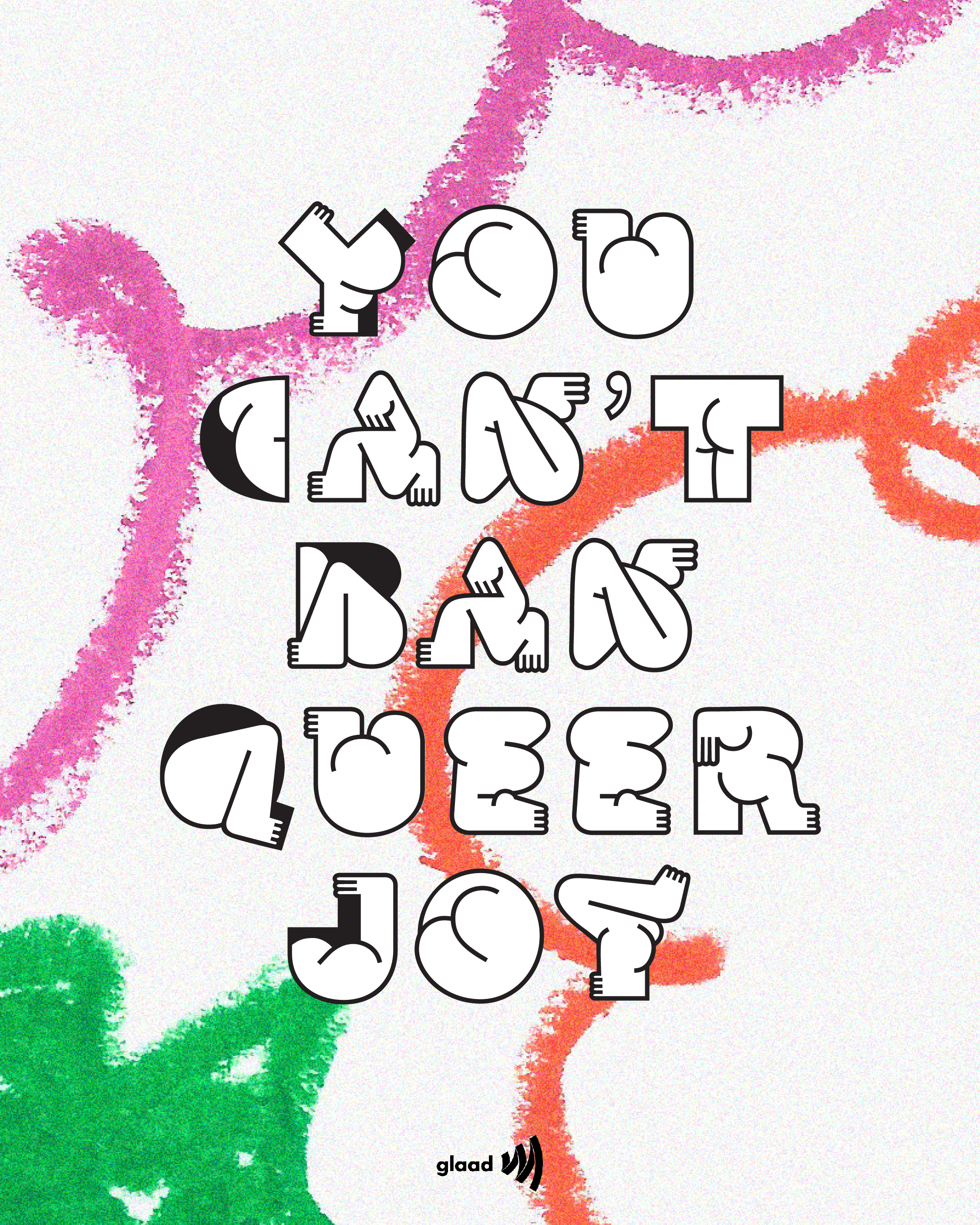
This poster was an ode to Typefesse, a typeface by Velvetyne Type (Océane Juvin), whose design explores the idea of the human body's ability to shape itself in a variety of ways, synchronizing with the alphabet. Thinking about the outlawing of queer bodies and bodily autonomy, its celebration of the human body in different formations resonated with the theme of queer joy.
A backdrop of scanned crayon marks amplifies the text's sense of playfulness and innocence.
A backdrop of scanned crayon marks amplifies the text's sense of playfulness and innocence.
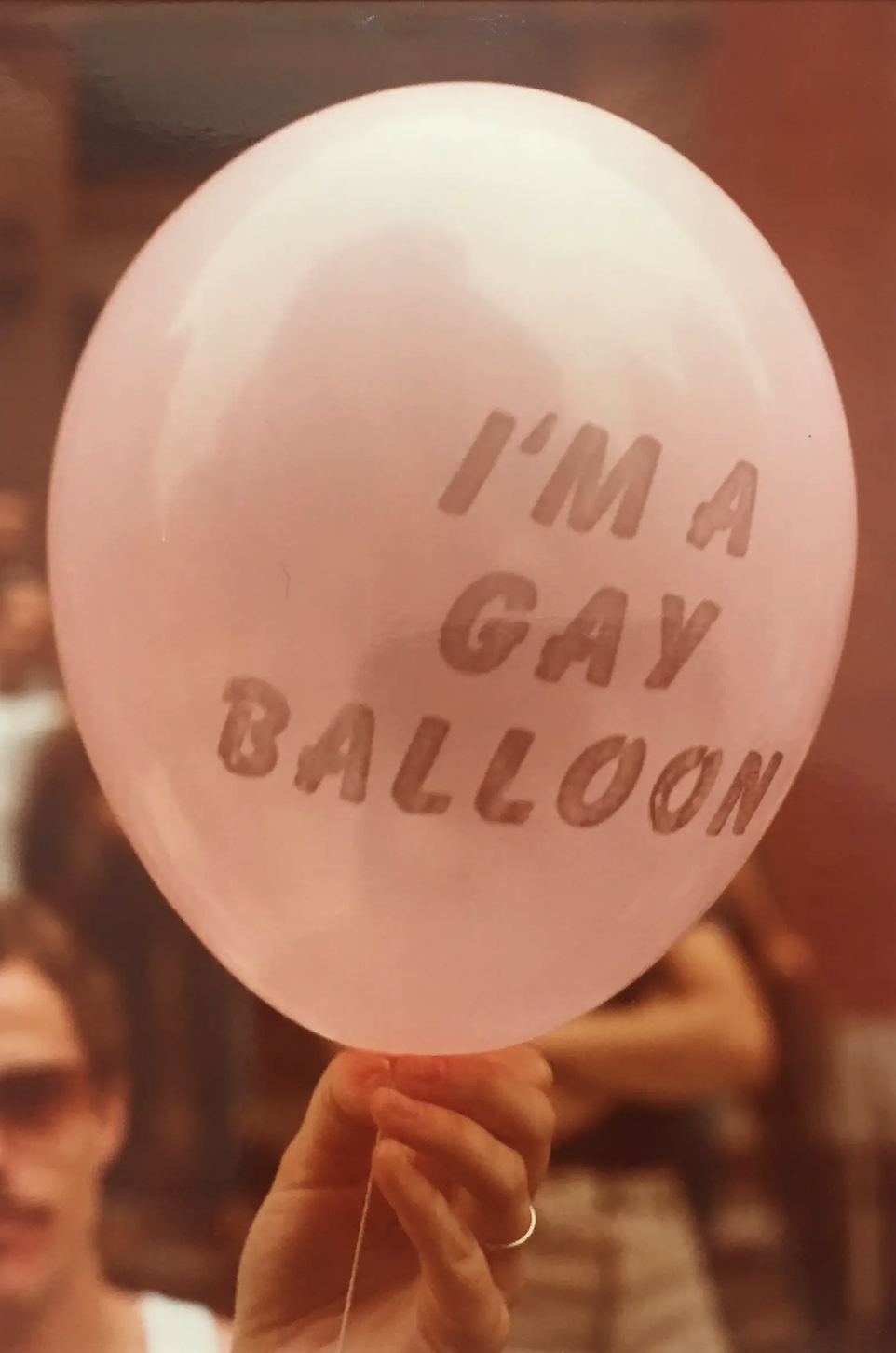

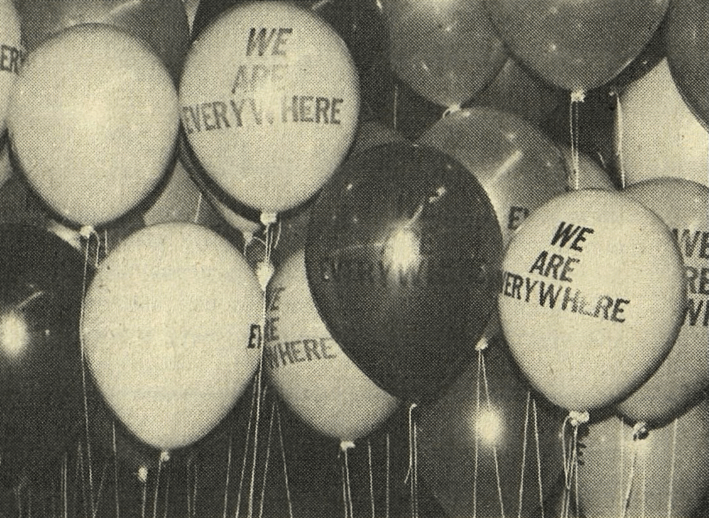
This final poster draws inspiration from queer visual culture of the 1970s and 1980s — an era when the community cultivated joy despite facing systemic oppression and the absence of fundamental rights. One archival reference image resonated with me in particular: a photograph of a pink balloon from a 1980s Pride gathering, taken during the height of the HIV/AIDS crisis, reading “I’m a gay balloon.” Its buoyant presence reads as defiant yet joyful, and became the central visual anchor for the design, while balloons’ prolific presence at Pride parades inspired me to foreground themes of gathering and community.
These historical Pride parade images shaped key design decisions: pink bubble type channels the playful optimism of that Pride balloon, while a photograph of a crowd of people at a queer club serves as the backround, highlighting the theme of togetherness.
These historical Pride parade images shaped key design decisions: pink bubble type channels the playful optimism of that Pride balloon, while a photograph of a crowd of people at a queer club serves as the backround, highlighting the theme of togetherness.
